
Ai-driven subnet segmentation budget
Zero Trust works best when the purchase path is explicit. Verify the source, compare the offer against real alternatives, check the total cost, and confirm what happens after payment before you decide. After each comparison, write down the one risk that would change your mind. If the seller, condition, support, warranty, shipping, or upkeep still feels uncertain, resolve that question before moving to checkout.
The simplest way to use this section is to verify the seller, compare the total cost, and resolve the biggest risk before you commit.
Shortlist real options
Use this section to make the Zero Trust decision easier to compare in real life, not just on paper. Start with the reader's actual constraint, then separate must-have requirements from details that are merely nice to have. A practical choice should survive normal use, maintenance, timing, and budget. If a recommendation only works in an ideal situation, call that out plainly and give the reader a fallback path.
| Factor | What to check | Why it matters |
|---|---|---|
| Fit | Match the option to the primary use case. | A good deal still fails if it does not fit the job. |
| Condition | Verify age, wear, and service history. | Hidden condition issues erase upfront savings. |
| Cost | Compare purchase price with likely upkeep. | The cheapest option is not always the lowest-cost option. |
Inspect the expensive parts
Network segmentation failures rarely happen in the quiet zones. They occur at the choke points where traffic converges, moves between zones, or exits to the internet. In a zero trust model, these are the expensive failure points. A misconfigured policy here doesn't just slow you down; it opens the entire network to lateral movement.
Use this checklist to audit your high-risk areas before deploying AI-driven segmentation tools. Focus on where the most sensitive data lives and where the most traffic flows.

Check every exit point from your internal subnets. Ensure that outbound traffic is strictly limited to known, necessary destinations. Unfiltered egress is the primary path for data exfiltration and command-and-control connections. If your AI segmentation tools can't see outbound anomalies, they can't stop them.
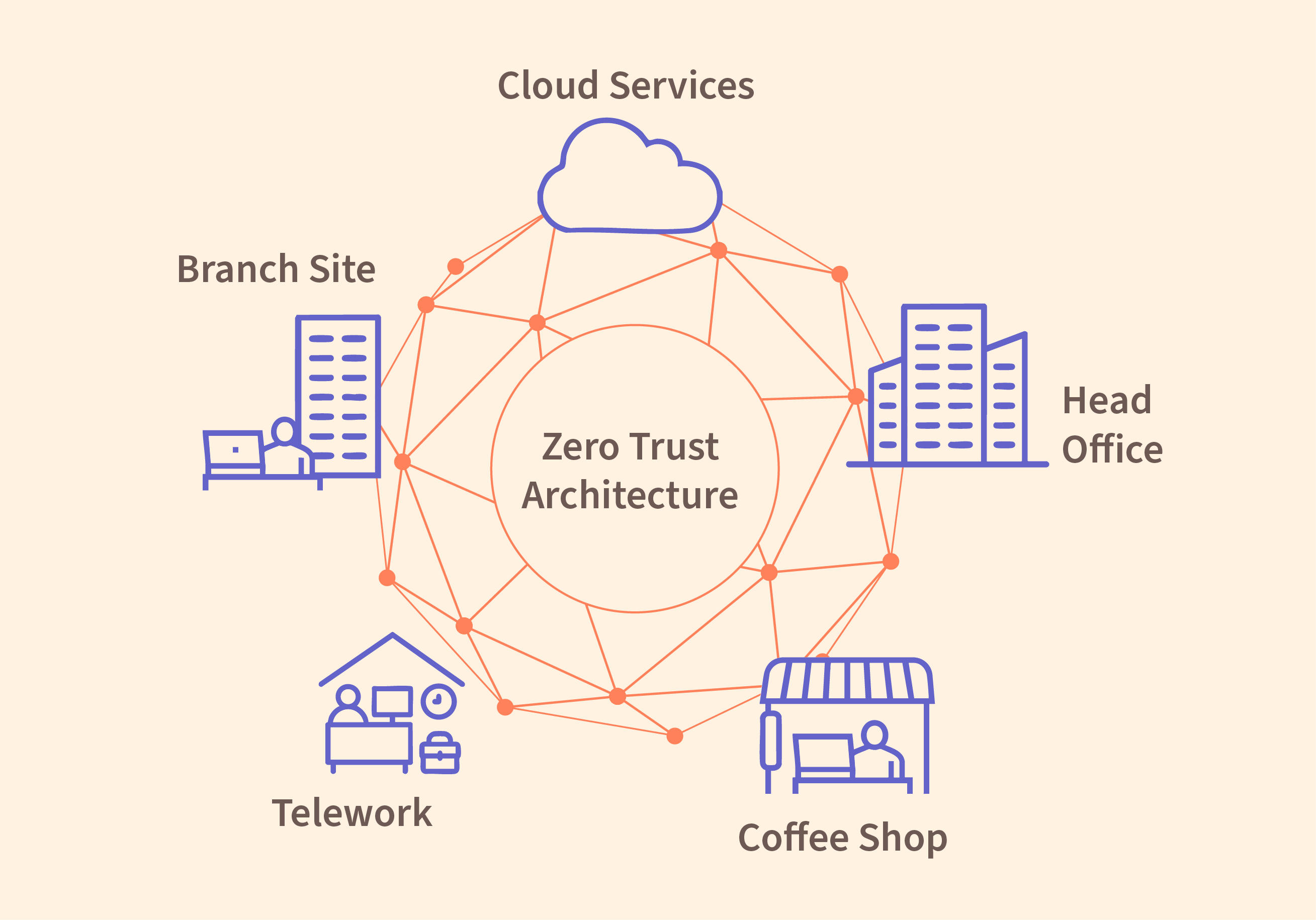
Review the rules between your critical segments. Legacy VLANs often allow broad "any-to-any" traffic for convenience. Replace these with micro-segmentation rules that only permit specific protocols between specific hosts. AI can help model this traffic, but you must validate the resulting policies against your actual business needs.
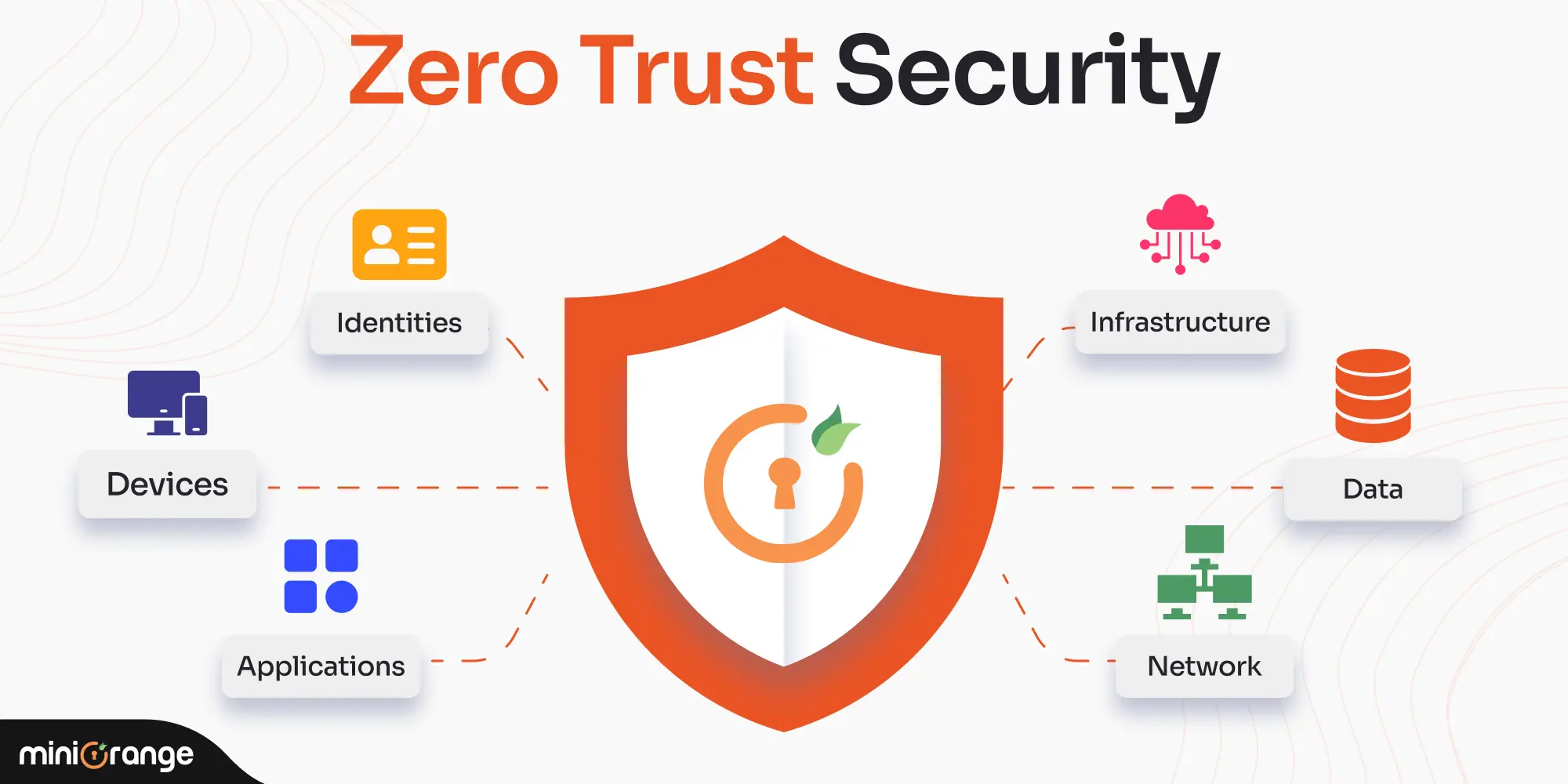
Simulate a compromised endpoint within a segment. Try to ping or connect to hosts in adjacent segments. If you can reach them, your segmentation has failed. This is the core promise of zero trust: assume breach, and verify every step. Ensure your AI tools are actively monitoring for these lateral attempts, not just logging them.

Segmentation based on IP address is outdated. Ensure your policies are tied to user identity and device health, not just network location. If an attacker steals credentials, they should not automatically gain access to all segments. AI-driven segmentation should adapt in real-time to identity changes and risk scores.
Ownership costs: when cheap buys get expensive
The sticker price of network segmentation tools is rarely the final cost. While AI-driven segmentation promises to reduce manual configuration, it introduces new layers of maintenance that often surprise IT teams. You are no longer just buying software; you are buying the ongoing labor to keep the AI’s policy engine accurate.
The hidden maintenance tax
AI models drift. As your network topology changes—new devices, shifted traffic patterns, or updated applications—the segmentation policies must adapt. If they don't, the AI will either block legitimate traffic (causing downtime) or allow unauthorized access (creating a security gap). This requires constant tuning by skilled engineers who understand both the network architecture and the AI’s logic. The "set it and forget it" promise is largely a myth in enterprise environments.
When cheap segmentation stops being cheap
A low-cost solution might seem attractive, but it often lacks the sophistication to handle complex, AI-driven environments. This leads to a cycle of false positives and manual overrides, which erodes the efficiency gains you were hoping for. In contrast, a more robust, higher-priced solution with better AI integration can automate much of this tuning, reducing the long-term operational burden. The initial investment pays off in reduced labor costs and fewer security incidents.
Concrete checks for total cost of ownership
When evaluating segmentation tools, look beyond the license fee. Ask about:
- Integration effort: How hard is it to connect the tool to your existing identity providers and cloud environments?
- Support quality: Does the vendor offer proactive guidance for policy tuning, or are you on your own?
- Scalability: Will the tool’s performance degrade as your network grows, requiring additional hardware or licenses?
Choosing the right tool is critical. Here are some highly-rated options to consider for your enterprise security stack.


As an Amazon Associate, we may earn from qualifying purchases.
No comments yet. Be the first to share your thoughts!