
What zero code subnets actually do
Traditional subnetting relies on manual calculations and command-line interface (CLI) commands to define network boundaries. Network engineers must manually calculate subnets, assign IP ranges, and configure routers and switches one by one. This process is time-consuming, prone to human error, and difficult to scale across large enterprise environments. The term "subnet zero" historically referred to the first subnet in a subnetted network, which was once avoided in legacy configurations but is now standard in modern CIDR-based networking.
Zero code subnets shift this paradigm by using intent-based policies and AI-driven automation. Instead of writing individual CLI commands, administrators define high-level business intents, such as "isolate the finance department" or "segment IoT devices from corporate LAN." The system then automatically translates these intents into specific network configurations, including IP address assignments, VLAN tags, and access control lists (ACLs).
This approach eliminates the need for manual subnet calculations and reduces the risk of configuration errors. It ensures that network segmentation is consistent, compliant, and easily adjustable as business needs change. By automating the subnetting process, zero code subnets enable faster deployment, improved security posture, and reduced operational overhead for enterprise IT teams.
Prepare your network for zero code subnets
Before enabling zero code subnets, you must ensure the underlying network infrastructure is stable and clearly segmented. Legacy subnetting practices often relied on the ip subnet-zero command to allow the use of the first subnet in a range, a historical workaround for routers that treated the all-zeros subnet as the network identifier itself. Modern zero code automation platforms assume standard CIDR practices and do not require these legacy workarounds. Your network should be ready to handle dynamic policy application without manual CLI intervention.
Start by auditing your current asset inventory. Zero code subnets rely on accurate device discovery to apply security policies automatically. If your inventory is incomplete, the automation engine cannot correctly assign roles or enforce boundaries. Define your security zones explicitly. Whether you are segmenting IoT devices, user workstations, or server infrastructure, clear zone definitions allow the zero code subnet engine to apply the correct default deny rules and allow-lists.
Ensure your infrastructure readiness is verified. This includes confirming that all core switches and routers support the necessary protocols for automated policy distribution, such as NETCONF/YANG or REST APIs. Avoid relying on legacy CLI commands for configuration; the goal of zero code subnets is to eliminate manual configuration drift. Verify that your network management system can ingest the automated configurations without conflict.
Use this checklist to confirm your network is ready for deployment.

-
Asset inventory is current and includes all endpoints
-
Security zones are defined and documented
-
Core infrastructure supports automated policy protocols
-
Legacy CLI dependencies are removed or overridden
-
Network management system is configured for zero code integration
Define the subnet intent
In a zero code subnet architecture, the configuration process begins with intent rather than syntax. Instead of manually calculating subnets or entering CLI commands, you define what the network segment is for. The system then handles the heavy lifting: IP allocation, VLAN tagging, and security policy application.
This approach eliminates the human error associated with traditional subnetting. You no longer need to worry about overlapping IP ranges or misconfigured gateways. The platform interprets your business requirement and translates it into the necessary network infrastructure.
Step 1: Select the use case
Start by identifying the specific group of devices or the type of traffic that needs isolation. Common enterprise intents include Guest WiFi, IoT Sensors, or Corporate Workstations. Each intent has distinct requirements for bandwidth, latency, and security isolation.
When you select an intent, the system pre-loads the appropriate baseline policies. For example, selecting "Guest WiFi" automatically applies internet-only routing and client isolation rules. This ensures that even if a guest device is compromised, it cannot reach internal resources.
Begin by listing the devices that need network access. Are they static servers, dynamic mobile devices, or constrained IoT sensors? Zero code subnets rely on this classification to determine the correct IP range size and security posture. A clear definition prevents over-provisioning and ensures the right level of isolation from day one.
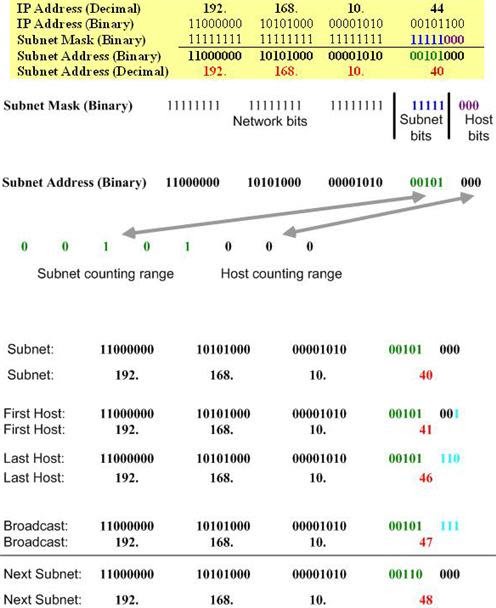
Select a pre-built intent template from the dashboard. Options typically include Guest Access, IoT Devices, Voice VLAN, or Corporate LAN. These templates contain the default VLAN IDs, DHCP scopes, and firewall rules associated with that use case. Choosing the right template ensures that security boundaries are applied automatically without manual intervention.
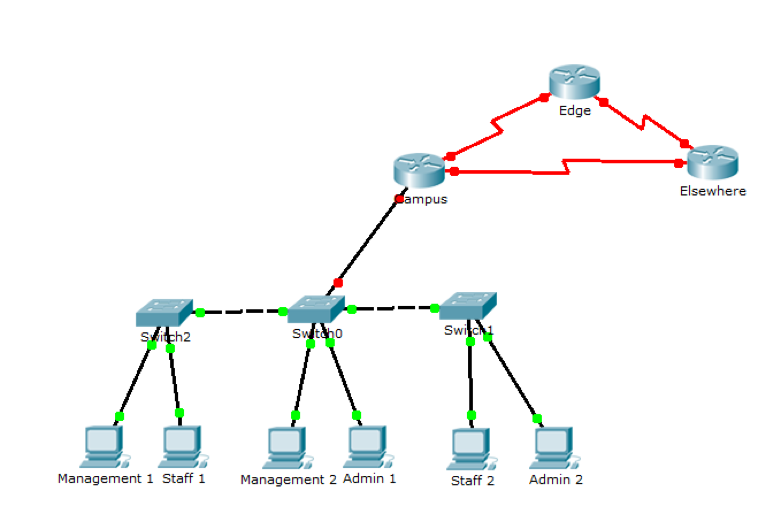
The system suggests an IP range based on the number of expected devices. You can adjust the subnet mask if you anticipate growth or need to align with existing address schemes. In a zero code environment, this adjustment is instantaneous; the platform re-routes traffic and updates VLAN tags across all connected switches without requiring a reboot or CLI entry.
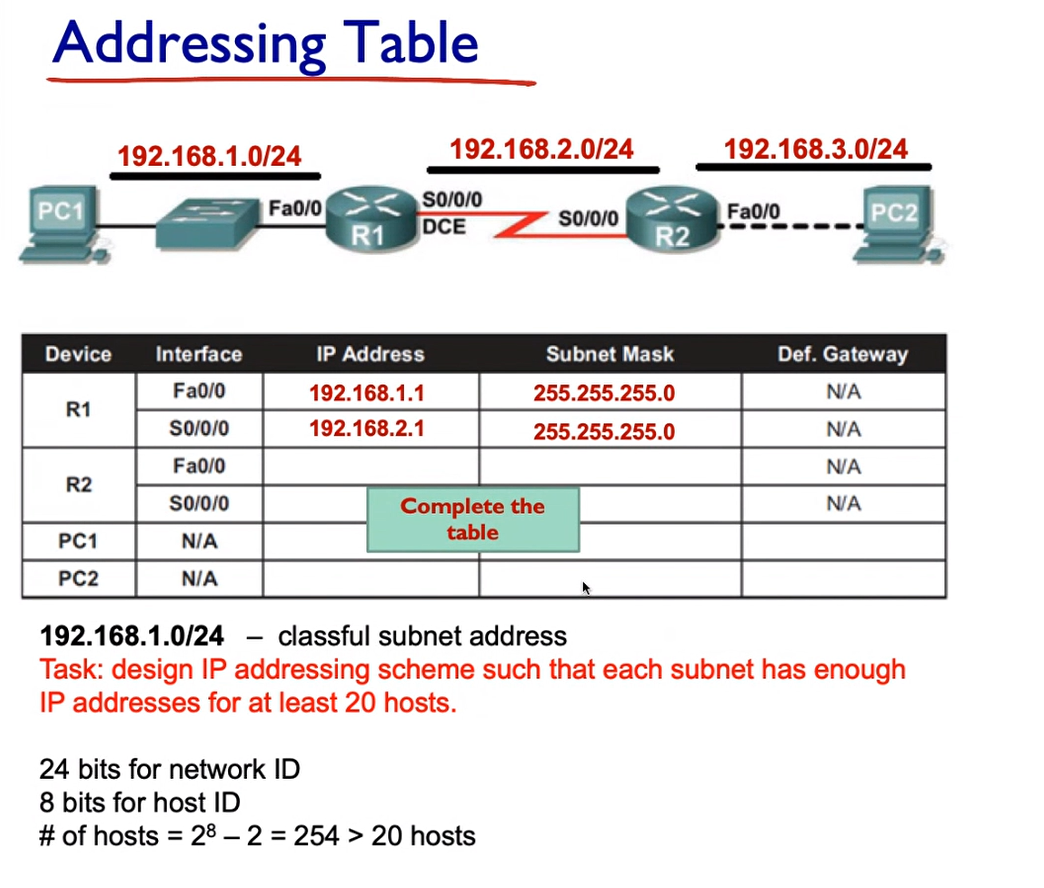
Once the intent and scope are defined, click deploy. The zero code subnet engine pushes the configuration to the underlying network infrastructure. It creates the VLAN, configures the trunk ports, sets up the DHCP relay, and applies the access control lists. You receive a confirmation once the segment is active and healthy.
The contrast with legacy methods is stark. Where a network engineer might spend hours configuring VLANs and ACLs via CLI, the zero code approach reduces this to a few clicks. This shift from syntax-based to intent-based configuration is the core value of modern subnetting.
By focusing on the intent, you ensure that the network adapts to your business needs, not the other way around. The zero code subnet handles the complexity, allowing you to scale your network with confidence.
Validate and troubleshoot zero code subnets
Once your zero code subnets are provisioned, the next step is verification. Unlike legacy networks where you might rely on manual interface checks, AI-driven segmentation requires you to validate policy intent against actual traffic flow. The goal is to ensure the automated segmentation hasn't created conflicts or blocked legitimate business traffic.
Start by reviewing the segmentation map. Look for overlapping IP ranges or conflicting access control lists (ACLs). A common mistake is allowing legacy static routes to override dynamic zero code subnet assignments. If you see traffic dropping unexpectedly, check for these overlaps first. They are the most frequent cause of misconfiguration in hybrid environments.
To confirm everything is working, run a connectivity test. Use a simple ping or traceroute from a host within the segment to a known external resource. If the test fails, check the AI policy logs. These logs will show whether the traffic was dropped by a firewall rule, a routing error, or a misconfigured subnet mask.
Log into your network management console. Navigate to the segmentation dashboard and verify that all new zero code subnets are listed with their assigned IP ranges. Check for any highlighted warnings or conflicts.
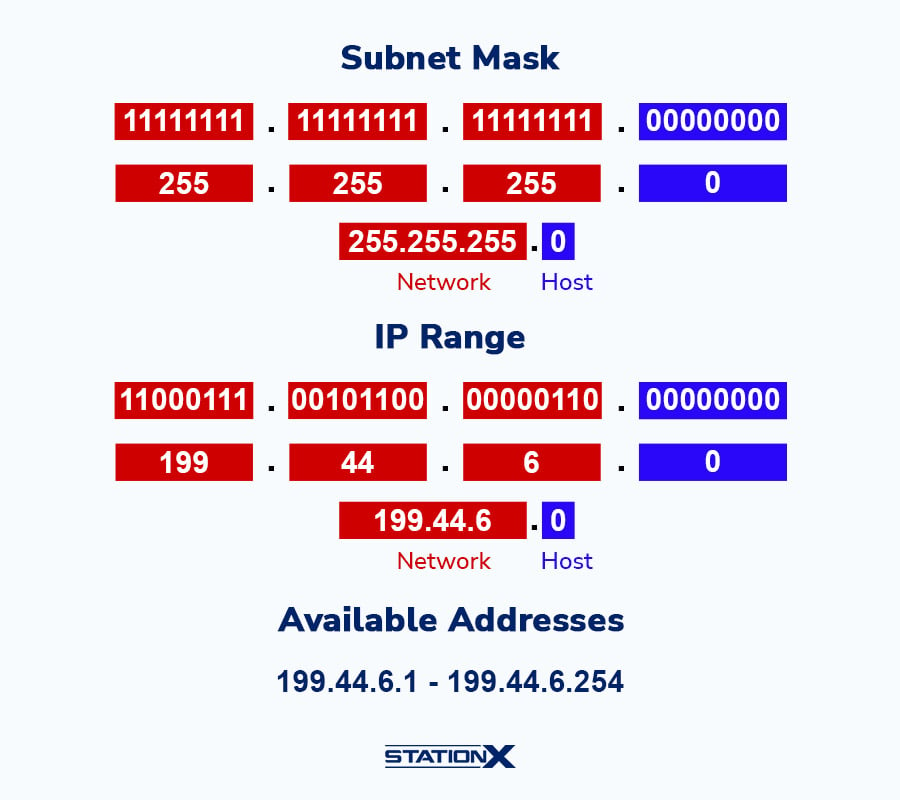
Compare the dynamic zero code subnet assignments against your existing static routes. Look for any overlaps in IP ranges or conflicting ACLs that might override the new segmentation. Resolve any conflicts by updating the legacy routes.
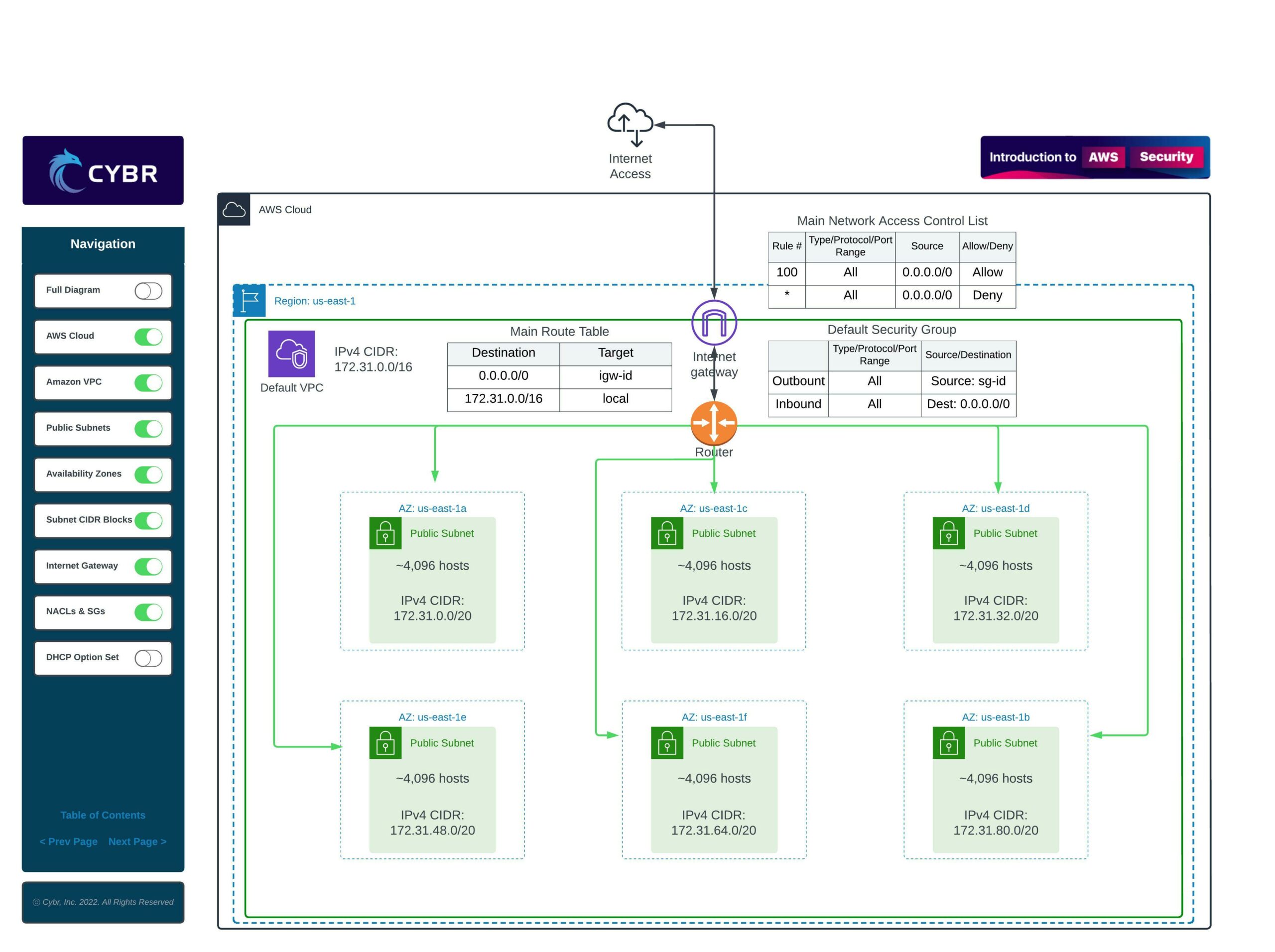
From a host within the new segment, ping a known external resource. Use traceroute to verify the path. If the test fails, check the AI policy logs for the specific reason—firewall drop, routing error, or subnet mask misconfiguration.
If you encounter persistent issues, consider the scope of the change. Sometimes, a single misconfigured zero code subnet can affect a larger segment. In these cases, revert the specific policy and re-apply it with more restrictive parameters. This iterative approach helps you isolate the problem without disrupting the entire network.
Frequently asked: what to check next
Zero code subnets simplify network automation by removing manual CLI overhead, but legacy IP addressing concepts still surface in policy definitions. Here are the specific technical answers regarding subnet zero, private ranges, and routing defaults.
No comments yet. Be the first to share your thoughts!