
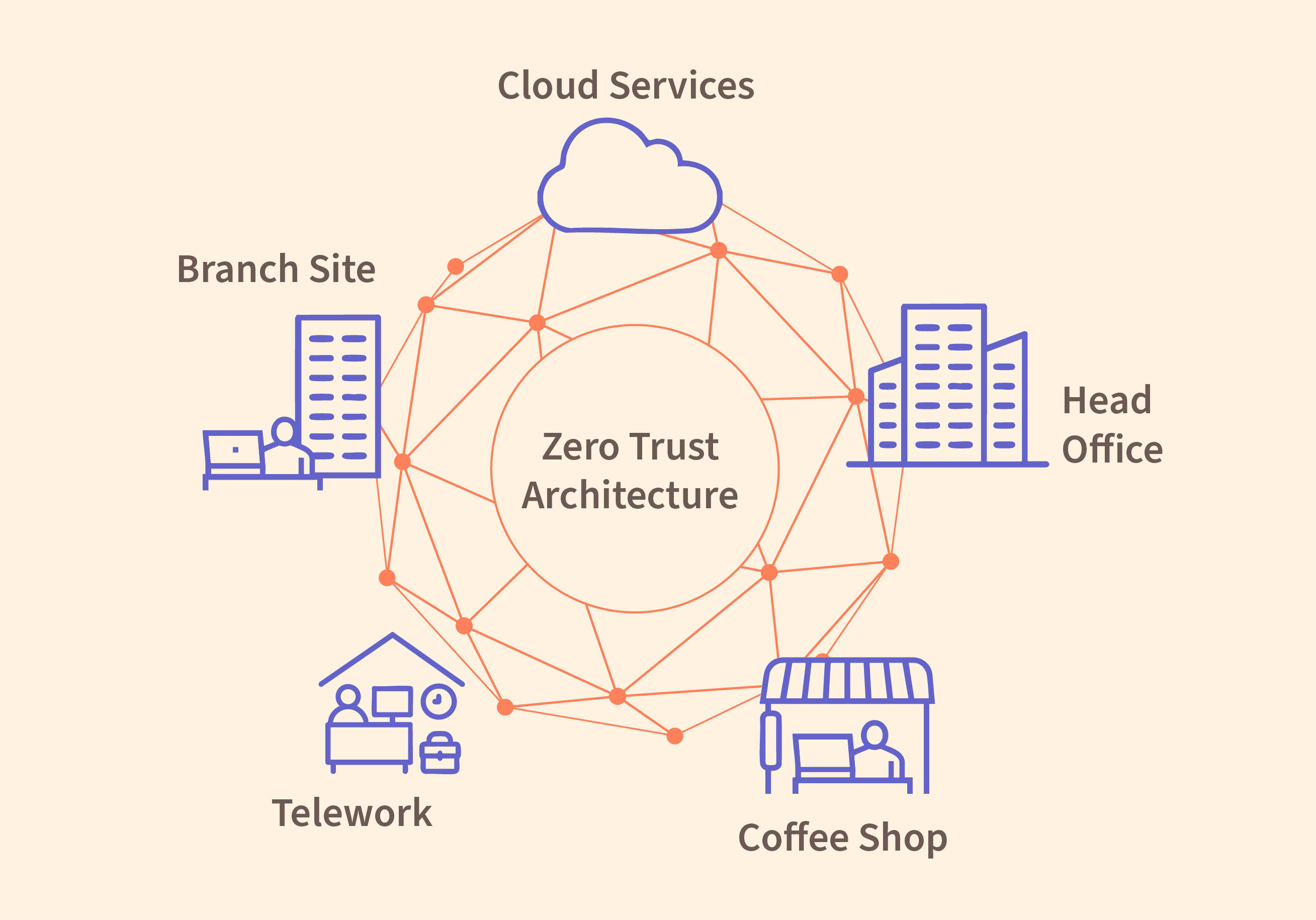
Enterprise subnets 2026 budget
Zero Trust Architecture works best when the purchase path is explicit. Verify the source, compare the offer against real alternatives, check the total cost, and confirm what happens after payment before you decide. After each comparison, write down the one risk that would change your mind. If the seller, condition, support, warranty, shipping, or upkeep still feels uncertain, resolve that question before moving to checkout.
The simplest way to use this section is to verify the seller, compare the total cost, and resolve the biggest risk before you commit.
Shortlist real options
Use this section to make the Zero Trust Architecture decision easier to compare in real life, not just on paper. Start with the reader's actual constraint, then separate must-have requirements from details that are merely nice to have. A practical choice should survive normal use, maintenance, timing, and budget. If a recommendation only works in an ideal situation, call that out plainly and give the reader a fallback path.
| Factor | What to check | Why it matters |
|---|---|---|
| Fit | Match the option to the primary use case. | A good deal still fails if it does not fit the job. |
| Condition | Verify age, wear, and service history. | Hidden condition issues erase upfront savings. |
| Cost | Compare purchase price with likely upkeep. | The cheapest option is not always the lowest-cost option. |
Inspect the expensive parts
Use this section to make the Zero Trust Architecture decision easier to compare in real life, not just on paper. Start with the reader's actual constraint, then separate must-have requirements from details that are merely nice to have. A practical choice should survive normal use, maintenance, timing, and budget. If a recommendation only works in an ideal situation, call that out plainly and give the reader a fallback path.
-
Verify the basicsConfirm the core specs, condition, and fit before comparing extras.
-
Price the downsideLook for the repair, maintenance, or replacement cost that would change the decision.
-
Compare alternativesCheck at least two comparable options before treating one listing as the benchmark.
Plan for ownership costs
A low purchase price rarely matches the total cost of ownership. In 2026, enterprise networks require constant updates for AI-driven threat detection, which adds layers of hidden expenses. The cheapest hardware often becomes the most expensive liability when maintenance, licensing, and integration costs pile up.
Hidden maintenance fees
Vendor support contracts often exclude critical security patches or charge extra for AI model updates. Without a clear maintenance plan, you face unexpected bills for basic functionality. Budget for annual support renewals that scale with your subnet size, not just your initial hardware count.
Integration complexity
Cheap appliances rarely plug into existing Zero Trust frameworks out of the box. You will likely need professional services to integrate these tools with your current infrastructure. Factor in the labor costs for engineering hours, especially if your team lacks specific expertise in the new technology.
Scalability limits
Low-cost solutions often hit performance ceilings quickly. As your network grows, you may need to replace entire units rather than adding capacity. This "buy cheap, buy twice" cycle drains budgets faster than investing in scalable, slightly more expensive gear initially.


As an Amazon Associate, we may earn from qualifying purchases.
No comments yet. Be the first to share your thoughts!