
Why ZTNA Replaces Legacy Perimeters
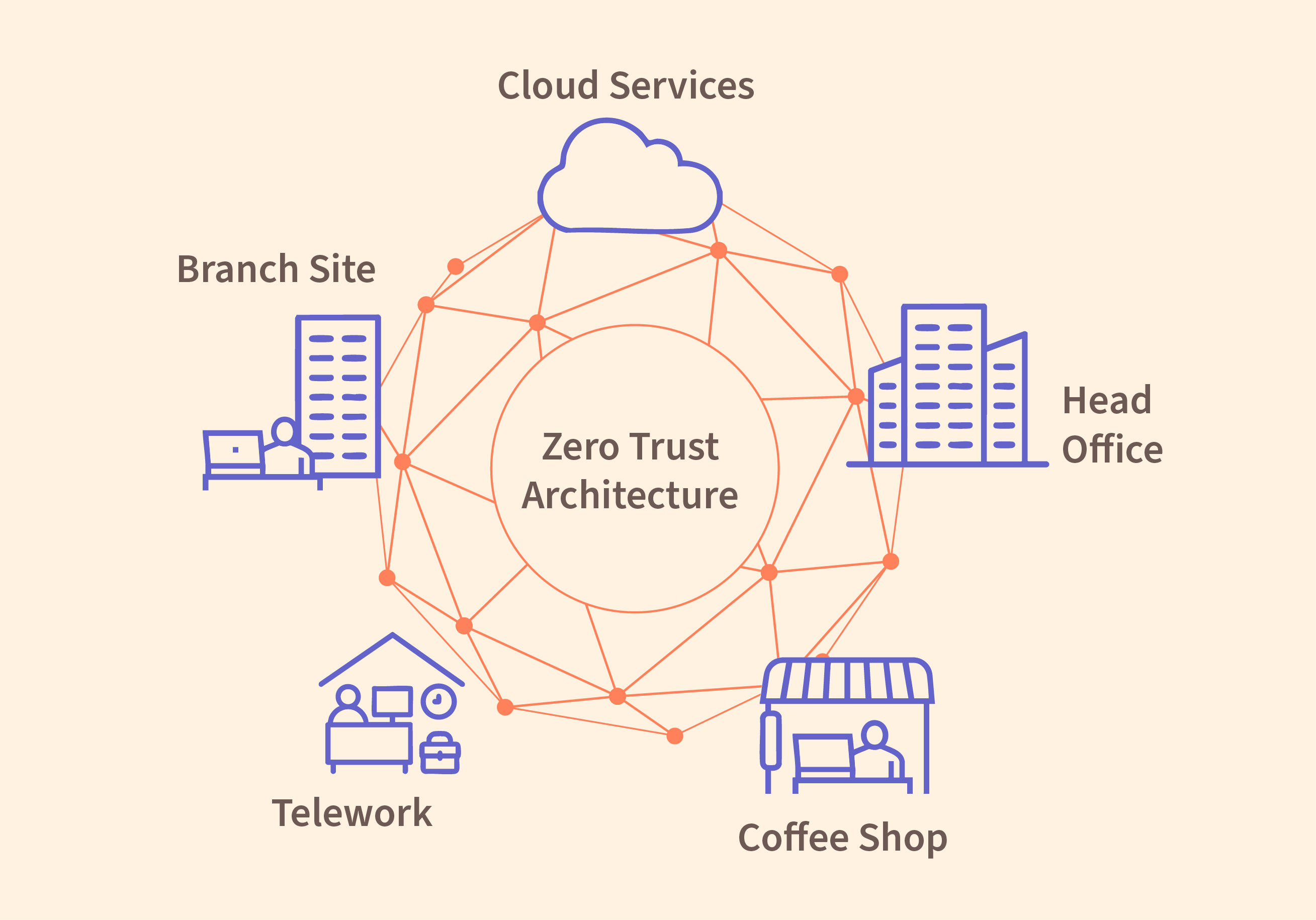
The traditional network perimeter—the idea that everything inside the office firewall is safe and everything outside is hostile—no longer exists. With workforces distributed across home offices, coffee shops, and mobile devices, the network edge has dissolved. In 2026, relying on subnet-based trust is a security liability. If an attacker breaches your network boundary, legacy firewalls often allow lateral movement to critical assets because they assume internal traffic is benign.
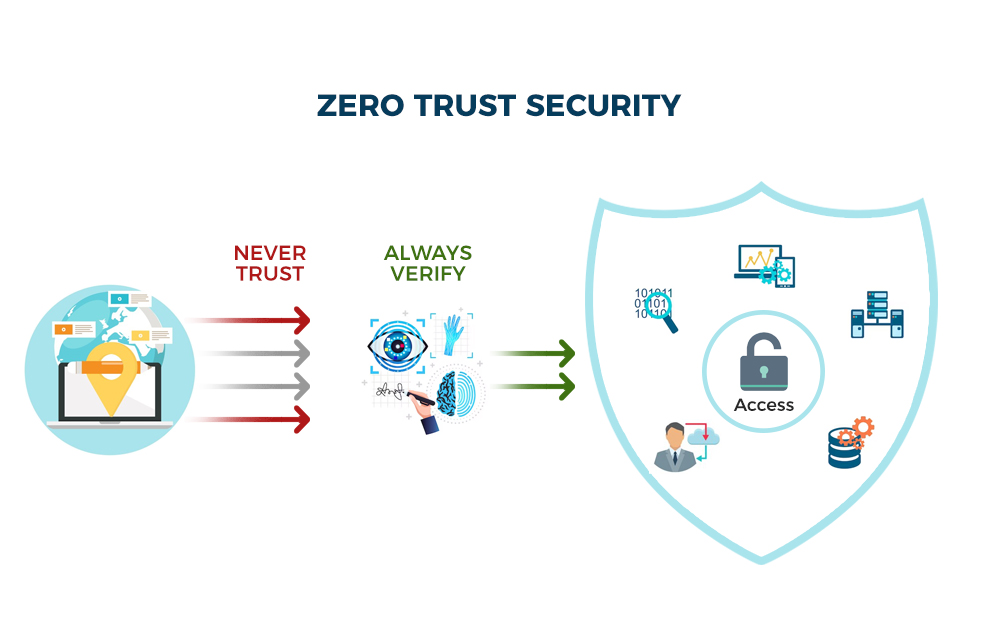
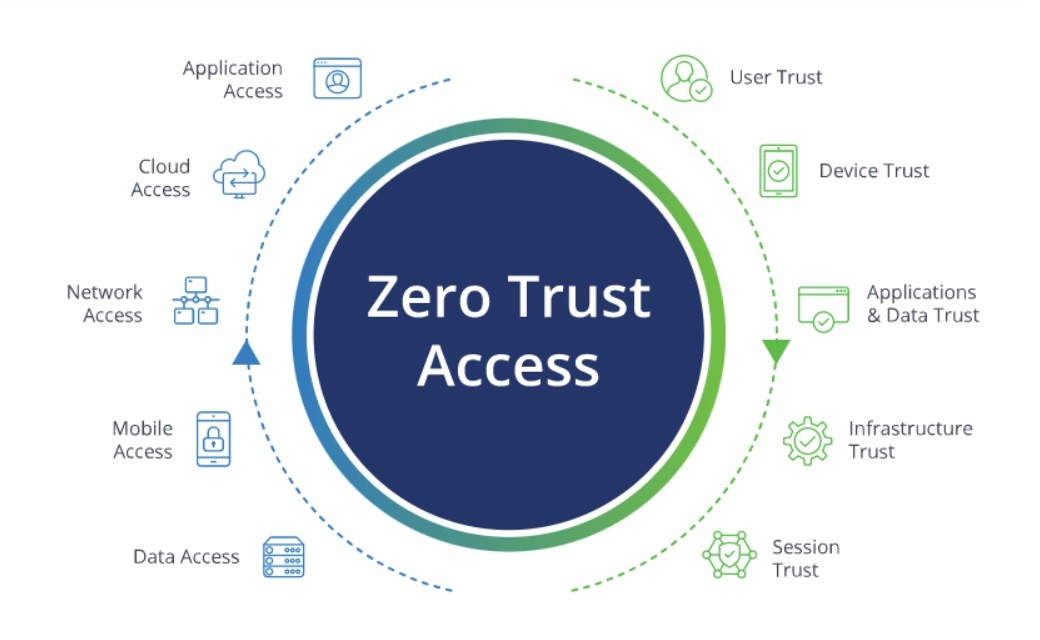
Identity-based access replaces this model. Instead of granting broad network connectivity, ZTNA verifies every user and device identity before granting access to specific applications. This "never trust, always verify" approach means that even if credentials are stolen, the attacker cannot access resources they haven't been explicitly authorized to see. It shifts the security focus from protecting the network to protecting the data and applications themselves.
For businesses, this means moving away from complex VPN configurations that create single points of failure and poor user experiences. ZTNA solutions provide secure, direct access to applications regardless of user location, reducing the attack surface significantly. As you evaluate the best ZTNA solutions for 2026, prioritize platforms that offer granular, identity-driven policies rather than those that simply tunnel traffic through a central gateway.
Top ZTNA Vendors Compared
Choosing the right ZTNA solution depends less on abstract theory and more on your existing infrastructure. The market has consolidated around a few dominant players who handle identity, device health, and access policies differently. Below is a structured comparison of the leading providers to help you identify which fits your specific operational needs.
| Vendor | Core Strength | Best For | Deployment |
|---|---|---|---|
| Microsoft Entra ID | Seamless identity integration with Azure AD | Organizations already in the Microsoft 365 ecosystem | Cloud-native |
| Cloudflare | Massive edge network and DDoS protection | Companies with heavy web traffic or global users | Cloud/Zero Trust Network |
| Zscaler | Comprehensive cloud security platform (CASB/SASE) | Large enterprises requiring full SASE integration | Cloud/Proxy |
| Tailscale | Simple WireGuard-based mesh networking | Remote teams and developers needing quick setup | Cloud/Local |
Microsoft Entra ID remains the default choice for many businesses because it leverages existing Active Directory credentials. If your team already lives in Microsoft 365, adding ZTNA capabilities feels like an extension rather than a new tool. It excels at conditional access policies but can feel rigid if you need deep customization outside the Microsoft stack.
Cloudflare approaches ZTNA through its massive global edge network. This makes it ideal for organizations that serve many external users or have high-bandwidth requirements. Its strength lies in combining network security with application delivery, though it may be overkill for small teams with simple internal access needs.
Zscaler offers a broader security suite that includes Cloud Access Security Broker (CASB) and Secure Web Gateway features. It is best suited for large enterprises that need a unified platform to manage all cloud traffic. The complexity is higher, but the visibility into user behavior and application usage is unmatched.
Tailscale takes a minimalist approach, using WireGuard to create secure mesh networks. It is highly popular among development teams and remote workers who need fast, easy-to-manage connections. While it lacks some of the enterprise-grade policy controls of Zscaler or Microsoft, its simplicity often wins out for smaller, agile groups.
Best ZTNA Solutions for Enterprise Scale
For large organizations, the primary challenge is not just access control, but managing it across thousands of endpoints and hybrid cloud environments. The right ZTNA solution must scale without introducing latency, while integrating seamlessly with existing identity providers like Okta, Azure AD, or PingIdentity. These platforms replace the broad, insecure tunnels of legacy VPNs with granular, identity-based policies that verify every user and device before granting access.
When evaluating enterprise-grade ZTNA, look for solutions that offer centralized policy management, automated onboarding, and robust API integrations. The goal is to reduce the attack surface while maintaining productivity for remote and branch office workers. Below are leading solutions that meet these rigorous demands for scalability and integration.
Cloudflare Access
Cloudflare Access is a popular choice for enterprises already using or willing to adopt the Cloudflare ecosystem. It operates by placing a proxy at the edge, verifying user identity through SSO providers, and then granting access only to specific applications. Its global network ensures low latency for users anywhere in the world. The solution is particularly strong for securing internal tools, admin panels, and legacy applications that do not support modern authentication protocols natively.
Zscaler Private Access
Zscaler Private Access (ZPA) is built on a zero-trust exchange model that decouples users from applications. Instead of connecting to a network, users connect to a Zscaler Cloud Connector that is placed next to the application. This architecture eliminates the need for complex network segmentation and firewalls. ZPA is highly scalable and is often chosen by large enterprises with complex, multi-cloud environments because it simplifies the security architecture significantly.
Netskope Private Access
Netskope Private Access combines ZTNA with its Secure Access Service Edge (SASE) platform. This is ideal for organizations that want to consolidate network security, cloud security, and zero trust access into a single vendor. Netskope uses a global private network to route traffic directly to applications, bypassing the public internet. Its deep integration with Netskope’s CASB (Cloud Access Security Broker) capabilities provides comprehensive visibility into data loss and shadow IT risks.
Cisco Secure Client (ThousandEyes)
Cisco’s approach to ZTNA is deeply integrated with its existing security portfolio, making it a natural fit for enterprises already invested in the Cisco ecosystem. The Cisco Secure Client provides a unified agent that handles VPN, ZTNA, and endpoint security. This reduces the number of agents employees need to run on their devices. For large organizations with a significant presence of Cisco hardware, this consolidation can simplify management and reduce operational overhead.


As an Amazon Associate, we may earn from qualifying purchases.
Microsegmentation Strategies for 2026
Microsegmentation turns a flat network into a series of locked-down zones. While ZTNA controls who enters the building, microsegmentation controls who can move between rooms. This distinction is critical for limiting lateral movement. If an attacker compromises a single endpoint, microsegmentation ensures they cannot easily pivot to the database or domain controller.
In 2026, this is no longer just a theoretical concept. It is a practical requirement for environments handling sensitive intellectual property or regulated data. The strategy relies on identity-aware policies rather than static IP addresses. This means access is granted based on who the user is and what device they are using, not just where they are connecting from.
Implementing this requires tools that can automatically discover dependencies and enforce policies at the workload level. The best solutions integrate directly with cloud platforms and container orchestration tools, ensuring that security keeps pace with dynamic infrastructure. Without this granularity, even the strongest perimeter defense is vulnerable to internal threats.
Best Microsegmentation Tools
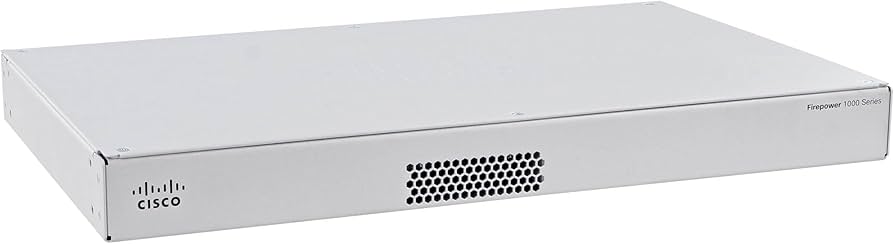
Choosing the right tool depends on your existing infrastructure. Here are three concrete options that handle microsegmentation effectively.


As an Amazon Associate, we may earn from qualifying purchases.
These products offer different entry points. Cisco is ideal for organizations already invested in its ecosystem. VMware NSX provides deep visibility for virtualized environments. Aqua Security focuses on the cloud-native stack, protecting containers and serverless functions. Selecting the right one requires matching the tool to your primary deployment environment.
How to choose the right ZTNA platform
Selecting a ZTNA solution requires moving beyond marketing claims to evaluate how the platform fits your existing infrastructure. The best ZTNA tools for 2026 prioritize seamless integration with identity providers and endpoint management systems, ensuring that security does not create operational bottlenecks.
Evaluate integration capabilities
Your ZTNA platform must integrate effortlessly with your current identity provider (IdP) and device management tools. Look for native support for SAML, OIDC, and SCIM protocols to automate user provisioning and deprovisioning. If your organization uses specific endpoint detection and response (EDR) solutions, verify that the ZTNA vendor offers a direct API integration rather than relying on manual checks.
Match the platform to your use case
Different platforms excel in different scenarios. For organizations heavily invested in virtual desktop infrastructure (VDI) like Azure Virtual Desktop or Amazon WorkSpaces, choose a ZTNA solution that offers optimized protocols for remote desktop sessions to minimize latency. Conversely, for general remote access, prioritize solutions that support granular application-level access controls without requiring heavy client installations.
Analyze total cost of ownership
Beyond subscription fees, consider the hidden costs of deployment and maintenance. Some platforms charge per user, while others charge per session or per device. Evaluate the effort required for ongoing administration; a platform with complex policy management may require dedicated security staff, increasing your long-term operational costs.
Verify compliance and reporting
Ensure the platform provides detailed logging and reporting capabilities that meet your regulatory requirements. You need clear visibility into who accessed what, when, and from where. Automated compliance reports can save significant time during audits and help demonstrate adherence to frameworks like NIST or ISO 27001.
Map all existing applications, identity providers, and endpoint management tools to identify integration requirements.
Document specific access needs for different user groups, such as VDI users versus general remote staff.
Test the platform’s user experience and administrative interface with real-world scenarios from your audit.


As an Amazon Associate, we may earn from qualifying purchases.
Frequently Asked Questions About ZTNA
Is ZTNA replacing the VPN in 2026?
Yes, for most organizations. Traditional VPNs are now a top breach path because they grant broad network access once a user authenticates. ZTNA solutions like AppGate SDP replace this model by granting identity-based, application-specific access. This aligns with current NSA guidance, which recommends moving away from perimeter-based access to zero trust architectures.
How much does it cost to implement ZTNA?
Implementation costs vary based on your current infrastructure. While some vendors like CloudConnexa highlight strong ROI in the mid-market by reducing management overhead, the initial setup often requires adjusting legacy system configurations. You should expect a higher upfront investment than a simple VPN license, but with lower long-term risk and maintenance costs.
Can ZTNA work with legacy on-premise applications?
It can, but it requires careful planning. Unlike cloud-native SaaS apps, legacy on-premise applications often lack modern API support for identity verification. You may need to deploy local agents or use gateway proxies to enforce zero trust policies. Solutions like Zscaler Private Access or Netskope are often chosen for their ability to bridge this gap without requiring a full application rewrite.
No comments yet. Be the first to share your thoughts!