
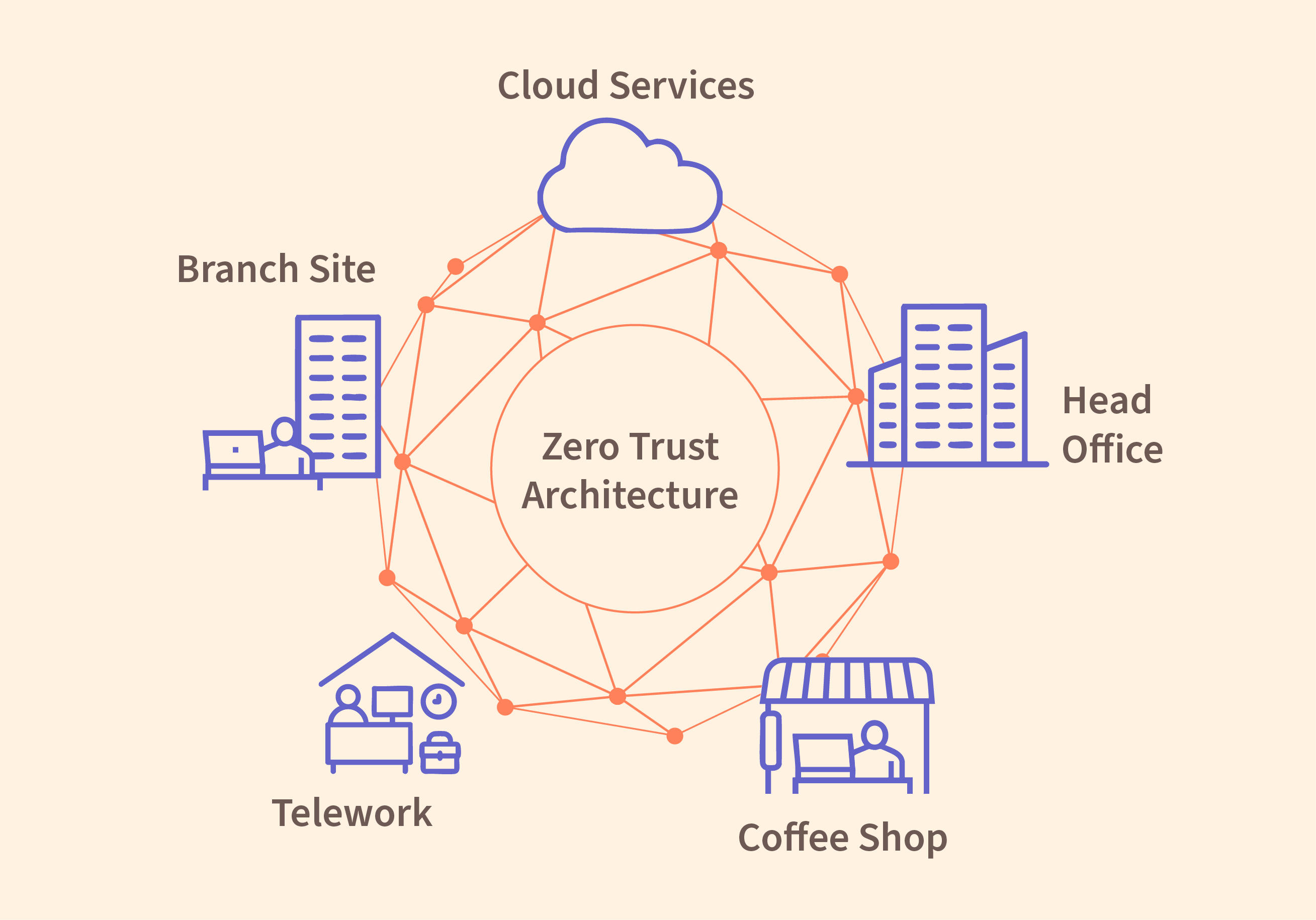
Enterprise subnet security budget
Zero Trust Architecture works best when the purchase path is explicit. Verify the source, compare the offer against real alternatives, check the total cost, and confirm what happens after payment before you decide. After each comparison, write down the one risk that would change your mind. If the seller, condition, support, warranty, shipping, or upkeep still feels uncertain, resolve that question before moving to checkout.
The simplest way to use this section is to verify the seller, compare the total cost, and resolve the biggest risk before you commit.
Compare the strongest enterprise subnet security options
Choosing the right security stack for a micro-segmented enterprise network requires balancing visibility, automation, and integration depth. The following comparison highlights five leading platforms that support zero-trust principles and granular subnet isolation. These tools range from comprehensive firewall suites to specialized micro-segmentation controllers, each serving a distinct role in modern network defense.
Platform comparison
| Feature | Cisco Secure Firewall | Palo Alto Networks Cortex | VMware NSX | Fortinet FortiGate | Check Point Harmony Endpoint |
|---|---|---|---|---|---|
| Primary Focus | Next-gen firewall & perimeter | Cloud-native security fabric | Micro-segmentation & virtualization | Unified threat management | Endpoint-to-cloud protection |
| Micro-Segmentation | Yes (via Secure Firewall) | Yes (via Prisma Access) | Native (Hypervisor-level) | Yes (SD-WAN integration) | Limited (Host-based) |
| Automation Level | High (DNA Center) | High (Cortex XSOAR) | High (vRealize Automation) | Medium (FortiManager) | Medium (Zero Trust Network Access) |
| Best For | Large enterprises with Cisco infra | Cloud-first organizations | Virtualized data centers | Unified hardware/software needs | Hybrid workforce security |
Cisco Secure Firewall
Cisco remains a dominant force in enterprise networking, offering Secure Firewall as part of its broader ecosystem. This solution integrates tightly with Cisco DNA Center, allowing administrators to automate policy deployment across micro-segmented subnets. It excels in environments already invested in Cisco hardware, providing deep visibility into traffic flows without significant configuration overhead.
Palo Alto Networks Cortex
Palo Alto Networks focuses on cloud-native security, making Cortex an ideal choice for organizations migrating to multi-cloud environments. Its Cortex XSIAM platform uses AI to detect anomalies across segmented subnets, reducing false positives. The platform’s strength lies in its ability to enforce zero-trust policies dynamically, adapting to user behavior and device context in real time.
VMware NSX
VMware NSX delivers micro-segmentation at the hypervisor level, ensuring that security policies travel with workloads regardless of their physical location. This is particularly valuable for virtualized data centers where traditional perimeter defenses are insufficient. NSX allows for granular control over east-west traffic, effectively isolating compromised segments before lateral movement occurs.
Fortinet FortiGate
Fortinet’s FortiGate appliances provide a unified threat management approach, combining firewall, SD-WAN, and micro-segmentation capabilities. This all-in-one design reduces hardware complexity and management overhead. FortiGate’s Security Fabric integrates with other Fortinet devices, creating a cohesive security posture that is easier to scale for mid-sized enterprises.
Check Point Harmony Endpoint
While primarily an endpoint security solution, Check Point Harmony extends its reach into network segmentation through its Zero Trust Network Access (ZTNA) framework. It secures remote and hybrid workers by verifying device health and user identity before granting access to specific subnets. This makes it a strong complement to network-level controls, ensuring that only authorized devices can communicate within segmented zones.
How does enterprise security work?
Enterprise security works by implementing layered defenses, including firewalls, intrusion detection systems, and identity management, to protect data and infrastructure. Zero-trust architecture ensures that every access request is verified, regardless of location, by enforcing strict segmentation and continuous monitoring.
What is the best enterprise security software?
The best enterprise security software depends on your infrastructure. Cisco Secure Firewall is ideal for Cisco-heavy environments, while Palo Alto Networks Cortex excels in cloud-native setups. VMware NSX is preferred for virtualized data centers, and Fortinet offers a cost-effective unified solution for smaller enterprises.
What does enterprise security mean?
Enterprise security refers to the comprehensive set of technologies, policies, and procedures used to protect an organization’s digital assets, including data, networks, and devices. It aims to prevent unauthorized access, mitigate threats, and ensure business continuity through proactive defense strategies.
Can you give me an example of an enterprise network?
An example of an enterprise network is a multinational corporation’s infrastructure, which includes multiple offices, data centers, and cloud services. This network is divided into micro-segmented subnets, such as HR, Finance, and R&D, each with specific access controls and security policies to isolate sensitive data and limit potential breaches.
Inspect the expensive parts
Use this section to make the Zero Trust Architecture decision easier to compare in real life, not just on paper. Start with the reader's actual constraint, then separate must-have requirements from details that are merely nice to have. A practical choice should survive normal use, maintenance, timing, and budget. If a recommendation only works in an ideal situation, call that out plainly and give the reader a fallback path.
-
Verify the basicsConfirm the core specs, condition, and fit before comparing extras.
-
Price the downsideLook for the repair, maintenance, or replacement cost that would change the decision.
-
Compare alternativesCheck at least two comparable options before treating one listing as the benchmark.
Plan for ownership costs
Buying a zero-trust platform is the easy part. The real expense shows up in the maintenance that follows. Every micro-segment you create adds a rule to your policy engine. Every rule requires logging, monitoring, and eventual cleanup. If you don't budget for that labor, your "cheap" entry-level license becomes a liability.
Consider the hidden costs of identity verification. In a micro-segmented network, every user and device must be constantly validated. This means your IT team spends more time managing certificates, updating device health checks, and troubleshooting access denials than configuring the initial firewall rules. These are not one-time tasks; they are daily operational burdens.
When a cheap buy stops being cheap
A low-cost solution often lacks the automation needed to handle dynamic micro-segments. Without automation, your team manually updates policies as employees join, leave, or change roles. This manual process scales poorly. One mistake in a policy rule can block critical business traffic or, worse, leave a gap for attackers.

As an Amazon Associate, we may earn from qualifying purchases.
To avoid these pitfalls, choose a platform that reduces manual overhead. Look for solutions with automated policy generation and integrated identity providers. The upfront cost may be higher, but the long-term savings in IT labor and reduced risk of costly breaches make it a smarter investment.
No comments yet. Be the first to share your thoughts!